

led rectangle mirror
Where is the Water Valve in My House? Understanding the location of the water valve in your house is a crucial part of home maintenance and emergency preparedness. This valve, often referred to as the main shut-off valve, controls the flow of water into your home and can be a lifesaver during plumbing disasters. In this article, we will explore the importance of knowing where to find this valve, how to locate it, and what steps to take in case of an emergency. Why is the Main Water Valve Important? The main water valve serves as the control point for your home’s water supply. If there’s a burst pipe, a significant leak, or other issues that could damage your property, shutting off this valve can prevent further water damage. Additionally, knowing its location allows you to quickly respond to water-related emergencies, offering peace of mind for homeowners. Where to Look for the Main Water Valve The main water valve is typically located near where the water line enters your house. Here are some common places to check 1. Basement If your home has a basement, the main water valve is often found along the wall where the water line comes in. Look near the foundation wall, and it may be against a wall closest to the street. 2. Crawl Space Like basements, homes with crawl spaces may also have the main valve located close to the entry point of the water line. You might have to crouch or even lie down to see it properly. 3. Utility Room In some houses, particularly ones without a basement or crawl space, the main water valve can be found in a utility room or laundry area. It often sits near the hot water heater or water filtration system. 4. Outside In warmer climates, the main shut-off valve may be located outside your house, typically near the ground, along the exterior wall. It may be in a small box covered with a lid, often marked with “water” or a similar term. 5. Kitchen Occasionally, you might find the main water valve under the sink in the kitchen, particularly in older homes . where is the water valve in my house Identifying the Valve Once you locate the area where the main water valve should be, you'll need to identify it. Water valves can come in different types - Gate Valves Usually, have a round wheel that you turn clockwise to shut off the water. - Ball Valves They have a lever handle, which you can turn perpendicular to the pipe to stop the water flow. What to Do in an Emergency If you face a plumbing emergency such as a leak or a burst pipe, here are the steps you should follow 1. Locate the Main Valve Quickly find the main shut-off valve as soon as possible. 2. Turn Off the Valve Depending on the type (gate or ball), turn it clockwise or flip the lever to the off position. 3. Call a Plumber After shutting off the water supply, contact a licensed plumber to address the issue. 4. Assess the Situation Check for any damages and take steps to minimize them, such as moving furniture or using towels to soak up any excess water. Conclusion Knowing where the water valve is located in your house is an essential skill for every homeowner. It can save you time, money, and stress during plumbing emergencies. Take a few moments to locate your main shut-off valve today, and you’ll be prepared for whatever water-related issues may arise in the future.
about
led rectangle mirror
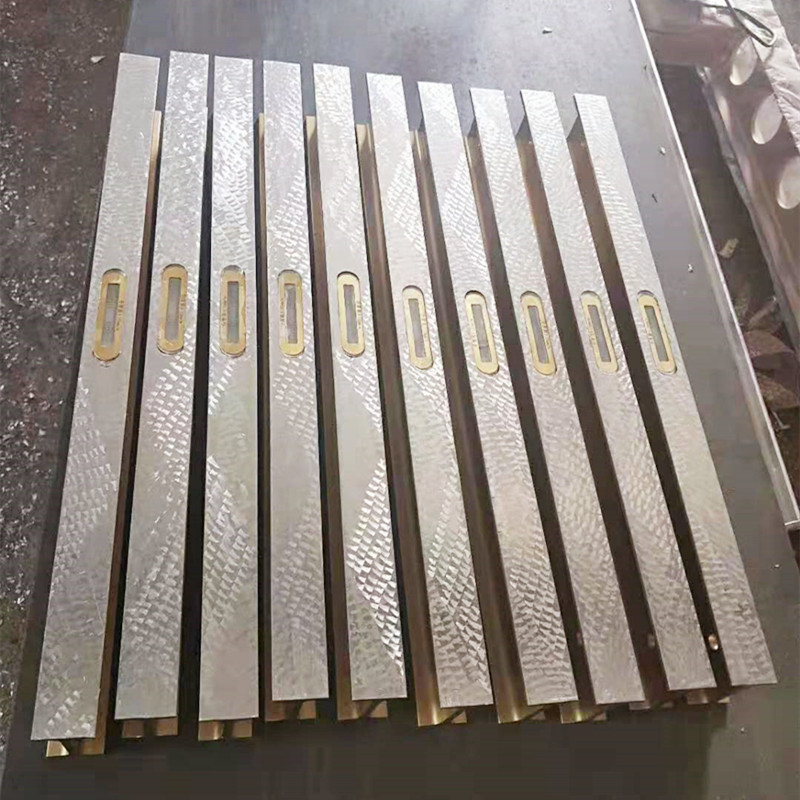
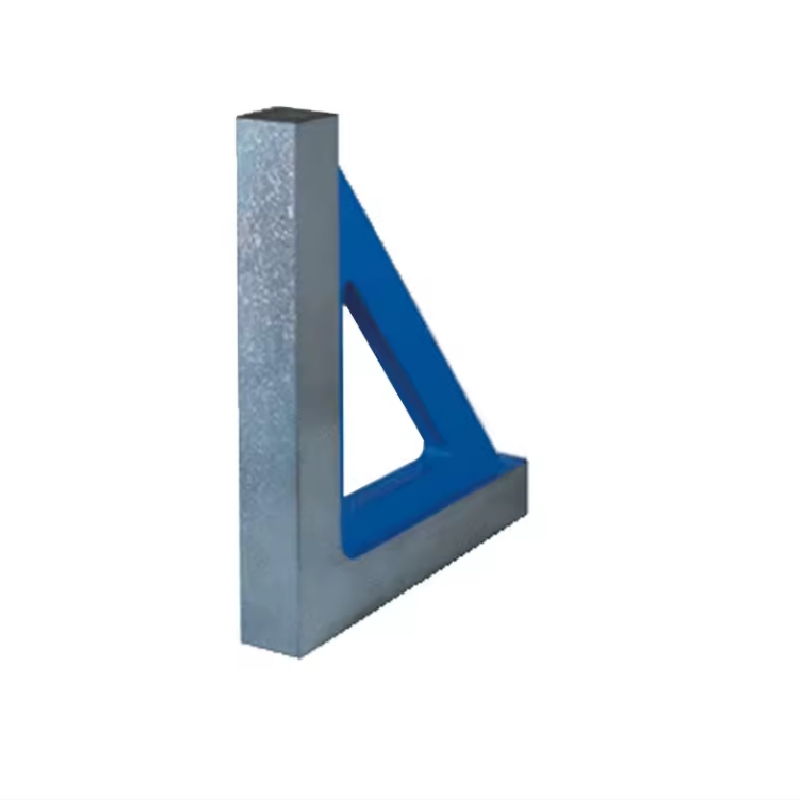
Understanding Granite Reference Plates A Foundation for Precision Granite reference plates, also known as granite surface plates, are fundamental tools in the realm of precision engineering and metrology. These plates serve as a stable, flat surface against which various measurements and machining processes can be conducted. Their significance can be attributed to the balance of stability, durability, and resistance to wear. In this article, we will explore the characteristics, applications, and advantages of granite reference plates. Characteristics of Granite Reference Plates Granite is preferred for reference plates for several reasons. Firstly, granite is an incredibly hard material, which makes it resistant to scratches and wear over time. This hardness ensures that the surface of the plate remains flat and retains its calibration. A flat surface is critical for accuracy in measurement, as even minor deviations can lead to significant errors in engineering applications. Moreover, granite has excellent dimensional stability. It is less susceptible to environmental changes, such as humidity and temperature fluctuations, compared to other materials. This stability is crucial in precision work where even slight warping can affect the results. Granite reference plates are often available in various grades, which indicate their flatness tolerance and overall quality. These are typically categorized into Grade AA, A, and B, with Grade AA being the most precise. The choice of grade depends on the specific application and required accuracy. Applications of Granite Reference Plates Granite reference plates find extensive use in various industries, primarily in quality control and inspection processes. Manufacturing sectors, such as automotive and aerospace, rely on precise measurements for components to ensure safety and performance standards are met. These plates are used with various measuring instruments, such as height gauges, dial indicators, and coordinate measuring machines (CMM). granite reference plate In addition to measurement, granite reference plates are also used as assembly platforms during the machining processes. Their flatness provides a reliable surface for assembling parts, ensuring that components fit together as intended, thus enhancing the overall quality of the finished product. Furthermore, granite plates are invaluable in the optical industry . They are commonly used as reference surfaces for aligning optical components in devices such as lasers and microscopes, where precision is essential for functionality. Advantages of Granite Reference Plates One of the primary advantages of using granite reference plates is their longevity. With proper care, these plates can last a lifetime, making them a worthy investment for businesses that prioritize quality and precision. Their durability reduces the need for frequent replacements, contributing to lower operational costs in the long run. Another advantage is their ease of maintenance. Unlike metal surfaces, granite does not rust, and cleaning it is a straightforward process that typically involves routine dusting and occasional polishing. This ease of cleaning helps to maintain the plate's flatness and ensures consistent measurement accuracy. Moreover, the non-porous nature of granite means that it does not absorb liquids, which prevents contamination and damage often associated with spills from oils or coolants used in machining processes. Conclusion In conclusion, granite reference plates are an essential component in the field of precision engineering. Their unique properties—hardness, dimensional stability, and resistance to wear—make them ideal for applications that demand meticulous accuracy. As industries continue to pursue higher standards of quality, the role of granite reference plates becomes even more significant. Investing in such tools not only safeguards the integrity of measurements but also enhances the overall manufacturing process, proving that precision truly begins with a solid foundation.
-

High quality industrial productsagement

High quality industrial products
View Details -

Meet the diverse needs of customers

Meet the diverse needs of customers
View Details -

Strict quality control

Strict quality control
View Details -

Top raw materials

Top raw materials
View Details -

Trusted supplier

Trusted supplier
View Details
Our application
news and information
What Is the Difference Between a Silent Check Valve and a Regular Check Valve_
In the realm of fluid dynamics, valves play a crucial role in controlling the flow of liquids and ga

Valvola di cancello a flangia da 6 pollici
Un componente essenziale nei sistemi di gestione dei fluidi industriali è la valvola a saracinesca f
valve gate valve
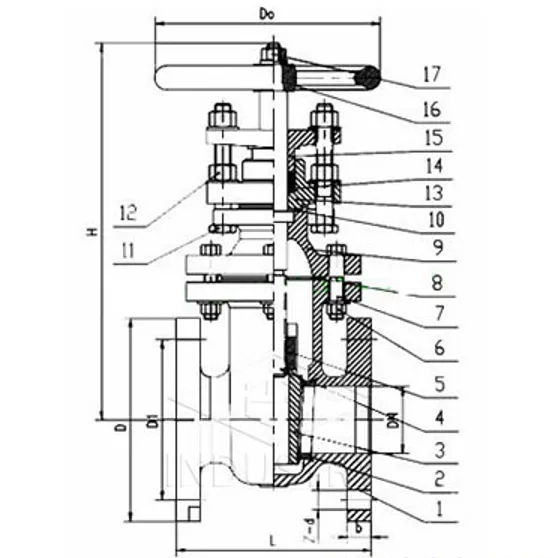
Understanding Valve Gate Valves An Essential Component in Modern Industry In various industrial appl
 English